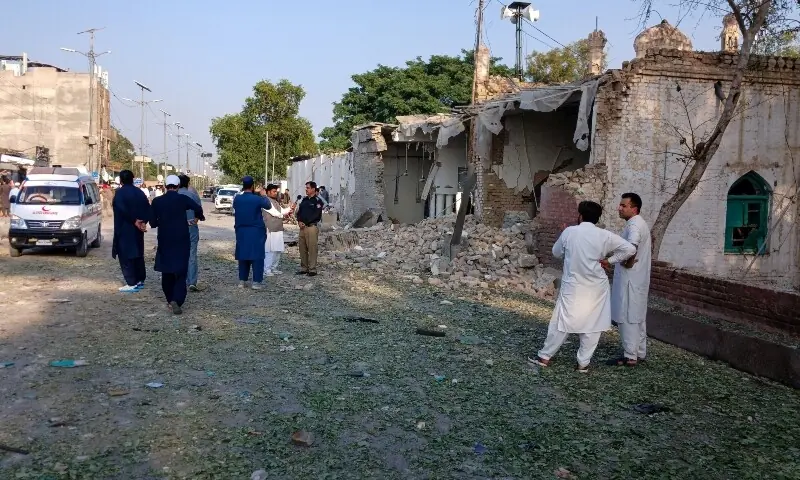
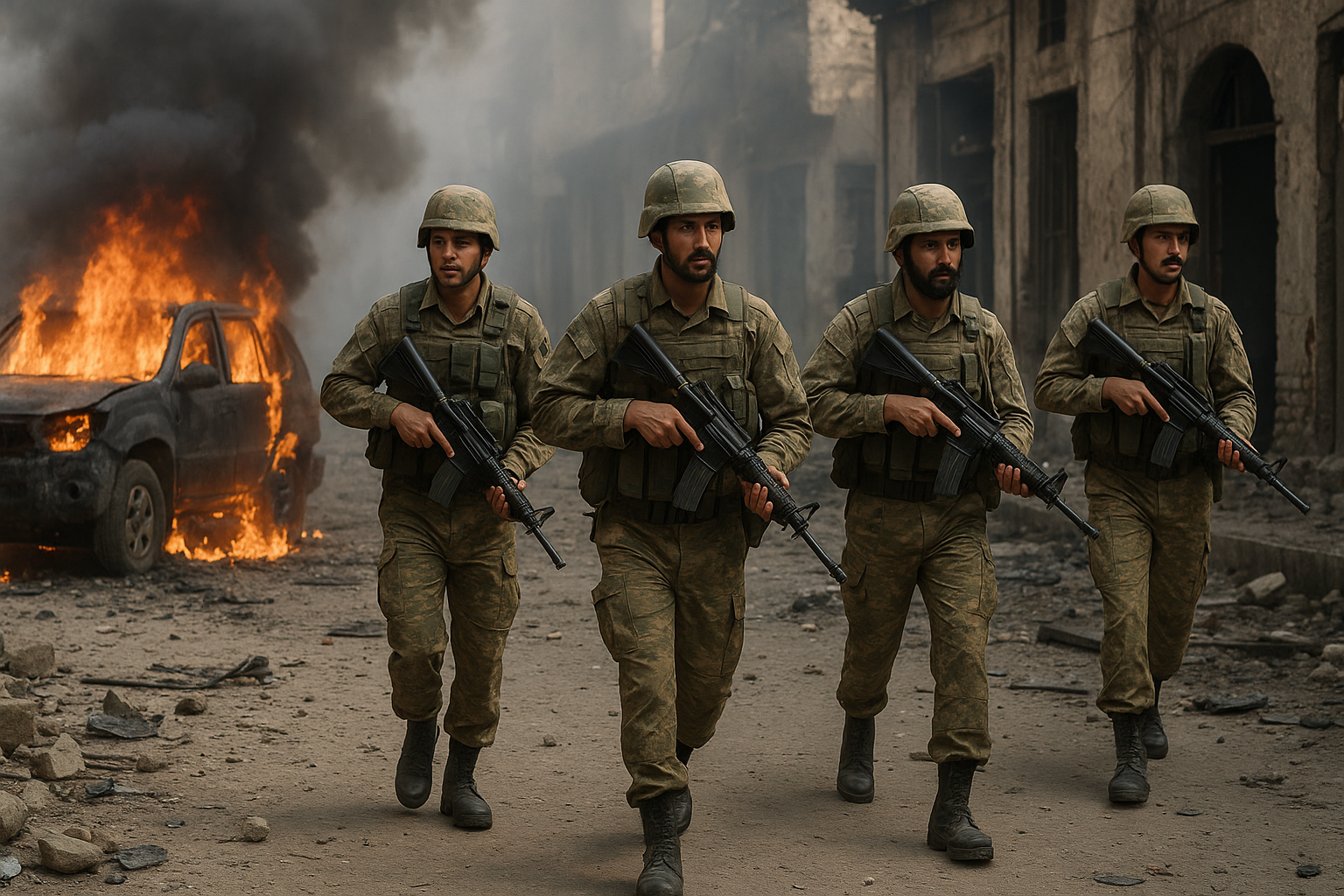
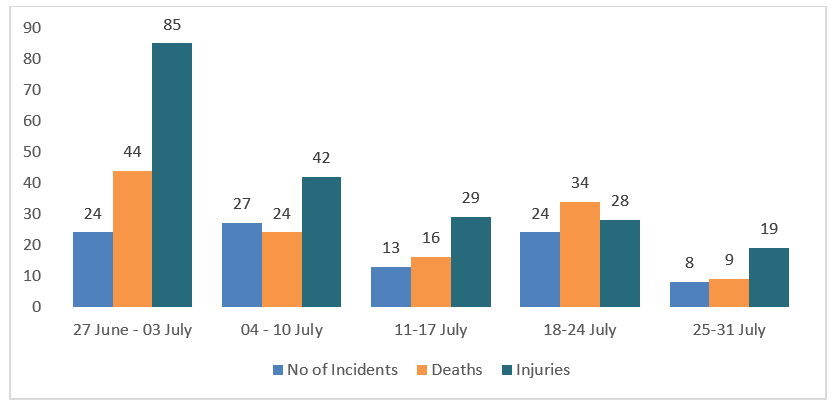
Between July 25 and 31, Pakistan experienced eight militant attacks, primarily in Khyber Pakhtunkhwa, resulting in nine deaths and 19 injuries. Most of the attacks were targeted, reflecting the growing capability of militant groups, especially in KP and Balochistan. In response, counterterrorism operations intensified across the country, particularly in Bajaur and Khyber districts, where 15 militants were killed and 21 suspects arrested. Sindh police also captured suspects involved in past attacks on Chinese nationals.
A deadly mortar strike in Tirah Valley killed six civilians and sparked widespread protests against ongoing military operations. In Bajaur, a curfew was imposed after a standoff with militants. These developments illustrate the challenges the state faces in balancing counterterrorism with public grievances in tribal regions. PTI amplified these protests, with Chief Minister Gandapur accusing the military of supporting “Good Taliban” and conducting unilateral operations. His remarks gained local traction but drew sharp rebuke from the establishment. Although Gandapur later moderated his position by conditionally supporting targeted operations, the episode underscored PTI’s effort to exploit public discontent for political gain, while also revealing the limits of its influence under institutional pressure.
Despite high-level institutional coordination, PM Shehbaz Sharif’s recent counterterrorism meeting highlighted the difficulty of translating federal resolve into provincial cooperation. While praising security gains and anti-smuggling efforts, the PM acknowledged the need for unified federal-provincial action. The civilian-military divide in KP, however, remains a stumbling block, especially with PTI pursuing a dual strategy of confrontation and conditional cooperation. As operations continued in Tirah and Loe Mamund, tensions between political narratives and military imperatives intensified. The Gandapur government appeared to waver between maintaining popular support and complying with military pressure, revealing the political fragility of the current security framework in KP.
In another contentious development, the federal government banned overland pilgrimages to Iran and Iraq for Chehlum, prompting fierce backlash from Shia groups in Balochistan. Despite the offer of subsidized air travel, protestors rejected the ban, viewing it as discriminatory. Demonstrations erupted in Quetta and several southern districts, with security forces put on alert and road travel further restricted. The move indicates the fragility of the security situation in the province.
On the economic front, S&P upgraded Pakistan’s credit rating to ‘B-’, citing reduced inflation and improved fiscal discipline. However, the outlook remains mixed due to high poverty levels and subdued growth. The central bank kept its policy rate at 11%, prioritizing macroeconomic stability over immediate relief to businesses. While the government celebrated the upgrade, business sectors were disappointed by the lack of an interest rate cut to stimulate investment.
In the political arena, PTI faced severe setbacks as key leaders, including Omar Ayub and Shibli Faraz, were convicted, weakening the party’s core structure. With over 100 members convicted and many more facing trials, PTI is struggling to regroup. The establishment appears to be pressing hard to neutralize the party’s influence, though the long-term effect remains uncertain as PTI continues to enjoy public sympathy in some areas.
Pakistan’s diplomatic engagements also gained momentum. Army Chief Asim Munir’s visit to China reinforced deepening strategic ties, focusing on security cooperation, regional peace, and advancing CPEC. The visit signals growing alignment between military diplomacy and broader geopolitical interests. In Washington, Foreign Minister Ishaq Dar met U.S. Secretary of State Marco Rubio to strengthen bilateral ties. Dar thanked the U.S. for mediating between India and Pakistan and advocated a fair resolution of the Kashmir issue. Discussions also included Pakistan’s tech sector and humanitarian concerns, particularly in Gaza.
Amid heightened tensions with India, Pakistan extended a conditional offer for dialogue, centered on Kashmir and water issues. However, India’s airstrikes and refusal to engage diplomatically have hardened Islamabad’s stance. Despite provocations, Pakistan continues to seek international mediation, although both sides appear entrenched in mutual accusations.
Pakistan–Bangladesh ties are witnessing a thaw, marked by high-level visits and diplomatic gestures. Recent agreements, including visa-free travel for officials, reflect mutual willingness to boost economic and political relations. This rapprochement contrasts with past hostility and signals a recalibration in Dhaka’s regional approach.
Pakistan’s strategic outreach continued with a high-level military visit to Egypt by CJCSC General Sahir Shamshad Mirza. Meetings focused on joint training, counter-terrorism, and expanding defense ties, underscoring Islamabad’s use of military diplomacy to strengthen regional networks.
Similarly, Pakistan-Afghanistan relations appear to be stabilizing after months of tension. Visits by Pakistani ministers to Kabul resulted in renewed dialogue on militancy, refugees, and regional connectivity. Discussions included a proposed railway link with Uzbekistan, hinting at shared economic interests. The Taliban, seeking legitimacy, broadened engagement with the U.S., China, Iran, and Turkmenistan, highlighting a more assertive diplomatic posture despite ongoing cross-border issues.
To get access to the complete report please become a subscriber. For the details of subscription please Click Here