The Karima Armed Assault Division (KAAD) is the newly announced all-female combat unit of the Balochistan Liberation Front (BLF), one of the main Baloch separatist armed groups operating in Pakistan’s Balochistan province. The BLF publicized the unit in late September 2026, presenting it as a formal expansion of women’s roles from support and propaganda functions into direct armed operations. The division is named after Karima Baloch, a former chairperson of the Baloch Students Organisation-Azad who died in Toronto in December 2020. The group has framed the name as a political tribute; critics note that it also serves recruitment and messaging purposes.

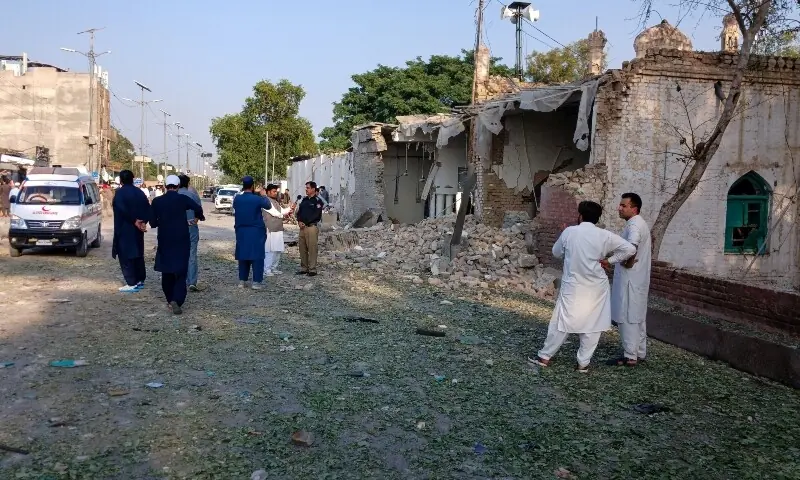
KAAD’s first claimed action came on 22 September 2026 near Jusak, close to Turbat in Kech district. According to BLF spokesperson Major Gwahram Baloch, fighters from the unit ambushed a Pakistani Army Action Task Force convoy on the China-Pakistan Economic Corridor highway. The group described the assault as multi-pronged and said several personnel were killed or wounded and vehicles damaged. Pakistani accounts have disputed the scale of the losses; some security sources described an IED incident and a firefight rather than a large ambush. The following day the BLF’s media wing released training footage showing more than twenty women in uniform handling heavy weapons in hilly terrain. The video’s immediate value appeared more organizational and symbolic than proof of a fully mature combat capability.
The formation of KAAD is part of a wider tactical and political shift inside the BLF during 2025–2026. For years the group had largely avoided suicide operations and the systematic recruitment of female fighters. That stance distinguished it from the Baloch Liberation Army (BLA), whose Majeed Brigade popularized high-visibility suicide attacks and, from 2022 onward, the use of female operatives. Analysts have argued that BLA’s methods generated media attention and a recruitment pull among younger Baloch who might otherwise have gravitated toward the BLF. Facing that competition, BLF leadership adjusted its approach.
The first concrete sign of the change came on 30 November 2025. Zareena Rafiq, also known as Trang Mahoo (or Tarang Maho), associated with the BLF’s Saddo Operational Battalion, carried out a suicide attack against the Frontier Corps headquarters in Nokundi, Chagai district. The target sat in a mineral-rich area linked to the Saindak and Reko Diq mining projects involving Chinese and other foreign interests. Pakistani and independent reporting identified this as the BLF’s first use of a female suicide bomber and a departure from the group’s earlier reluctance to adopt the tactic. The BLF presented the attack as a landmark; security officials treated it as evidence that the group was copying methods previously associated with BLA factions.

KAAD therefore sits at the end of a short but sharp sequence: a first female suicide operation in late 2025, followed less than a year later by a dedicated female assault unit and public training imagery. The pattern matches a broader trend across Baloch armed groups, in which women’s participation has moved from exceptional propaganda cases toward institutionalized roles. Whether KAAD develops into a sustained fighting formation or remains largely a recruitment and messaging tool will depend on subsequent operations and on how Pakistani security forces respond. What is already clear is that the BLF has abandoned its earlier restraint on both suicide tactics and female combatants in an effort to remain competitive in a crowded and increasingly brutal insurgency.