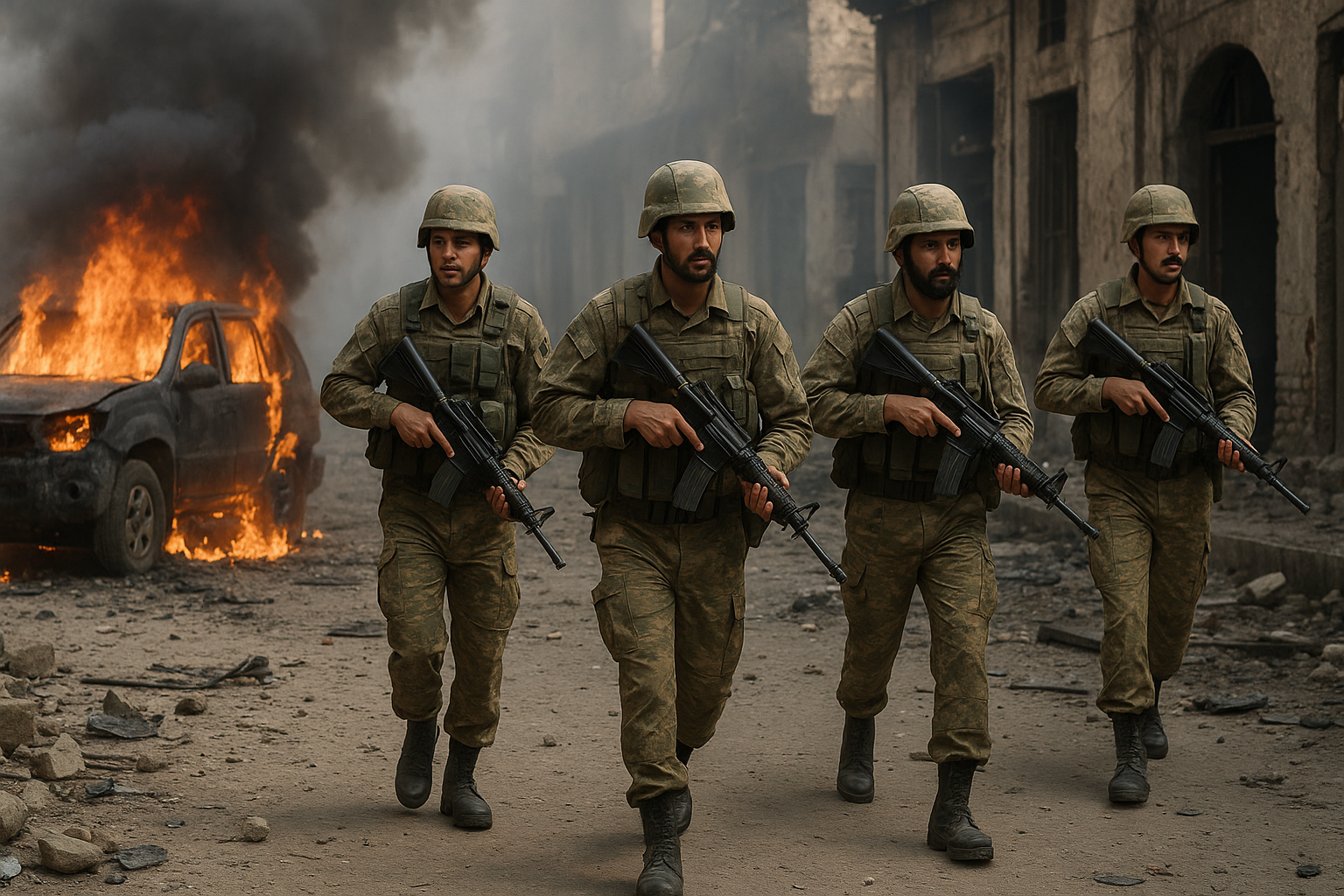
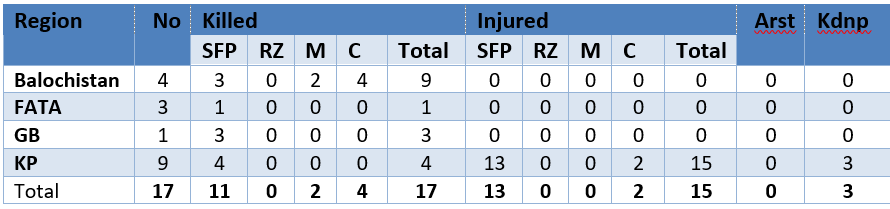
Militant violence in Pakistan showed a slight uptick in frequency and a notable rise in fatalities, with 17 attacks causing 17 deaths and 15 injuries, compared to 16 attacks, 6 deaths, and 19 injuries in the previous week. Khyber Pakhtunkhwa remained the primary hotspot, accounting for over half of all incidents, while Balochistan recorded fewer attacks but the highest fatalities, and isolated violence in Gilgit-Baltistan show an expanding geographic spread. Tactically, assaults were the deadliest, followed by targeted killings, while IEDs and quadcopter attacks reflected continued reliance on both conventional and evolving methods. Meanwhile, security forces intensified counterterrorism efforts, conducting 21 operations that killed 72 militants showing sustained pressure on militant networks despite their continued operational capacity.
Pakistan’s economy is navigating a fragile balance between external debt pressures and critical financial support from Gulf partners amid global and regional instability. The repayment of a $3.5 billion UAE loan has strained foreign reserves, while rising energy prices and supply disruptions linked to the Iran conflict have intensified inflationary and fiscal pressures. Saudi Arabia and Qatar have stepped in with financial lifelines, helping stabilize external accounts, but energy shortages and re-emerging load-shedding are fueling public discontent and economic strain. Despite fiscal adjustments and continued IMF engagement, underlying vulnerabilities—high financing needs, inflation risks, and geopolitical exposure—persist, making sustained reforms and diversified energy and financing strategies essential for long-term stability
Pakistan has positioned itself as a central diplomatic intermediary in efforts to de-escalate the U.S.–Israel–Iran conflict, marked by hosting the Islamabad Talks—the first high-level U.S.–Iran engagement since 1979—which, despite partial progress, failed due to key disagreements over Iran’s nuclear program and the Strait of Hormuz. Following this, Islamabad focused on sustaining momentum through backchannel diplomacy, regional outreach, and high-level engagements, including Field Marshal Asim Munir’s visit to Tehran. While negotiations remain complex, with proposals on enrichment moratoriums and sanctions relief under discussion, Pakistan’s balanced engagement with all stakeholders has helped preserve the ceasefire framework and maintain prospects for further talks, though a breakthrough remains uncertain amid high hopes.
To get access to the complete report, please become a subscriber. For the details of subscription click here