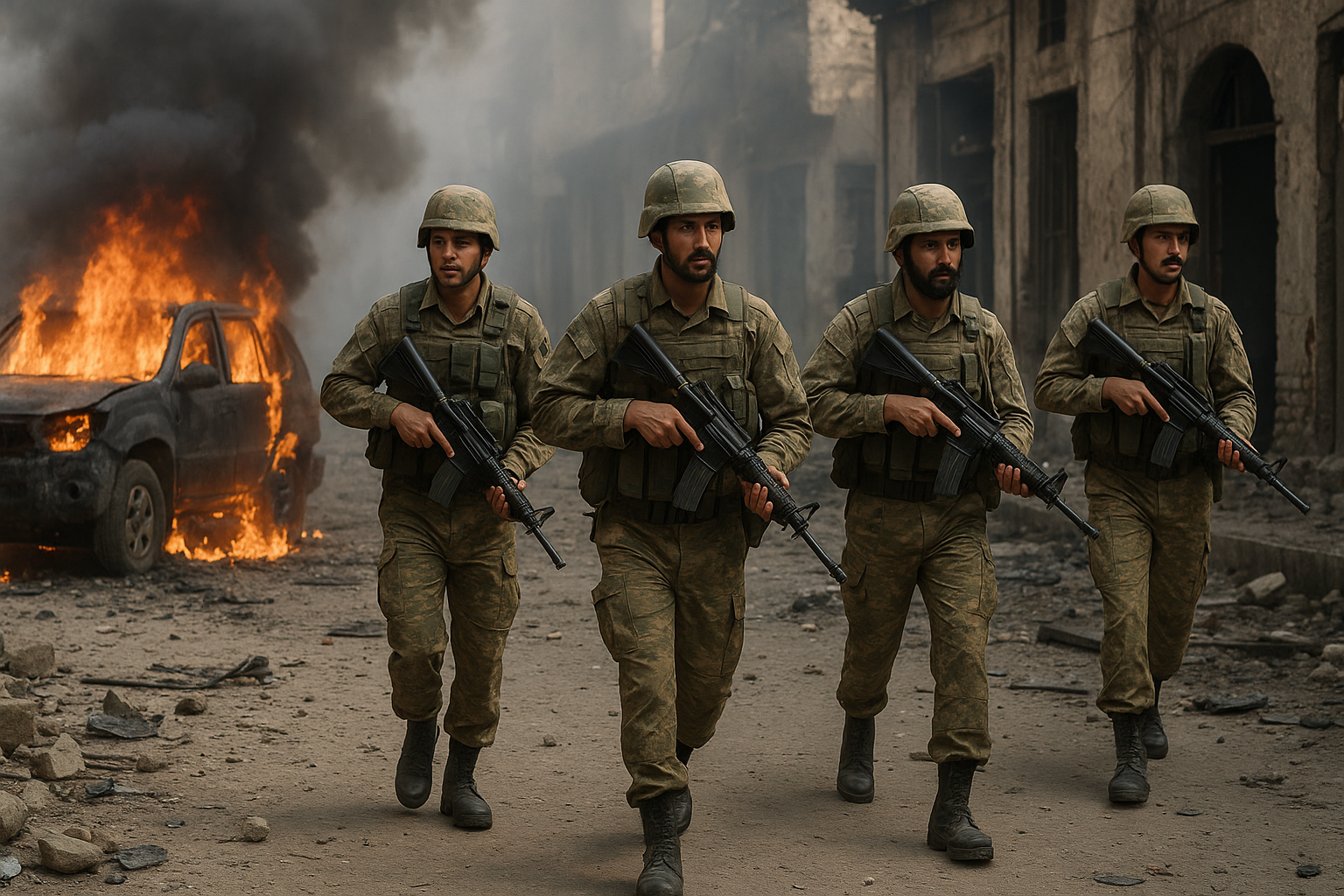
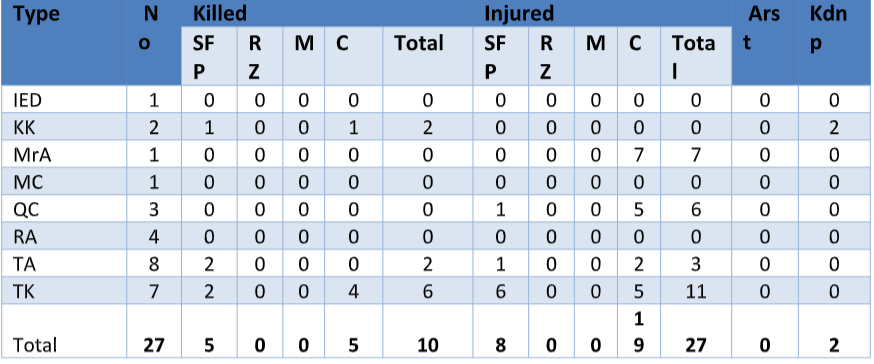
During the week under review (24–30 April 2026), militant activity increased
significantly in frequency, rising to 27 attacks, while fatalities declined to 10 but injuries surged
to 27, indicating a shift toward broader, less lethal but more disruptive tactics.
Khyber Pakhtunkhwa remained the primary hotspot, accounting for the majority of
attacks and fatalities, particularly in districts such as Bannu, Lakki Marwat, and DI Khan, with
security forces being the main targets. Former FATA areas saw fewer fatalities but a sharp rise
in injuries due to the increased use of stand-off methods such as quadcopters and mortar
attacks, while Balochistan experienced limited but persistent activity without casualties.
Tactically, target killings remained the most lethal, alongside growing reliance on remote and
indirect attack methods.
Meanwhile, security forces sustained strong counterterrorism pressure, conducting 14
operations and killing 46 militants, reflecting continued operational focus on key militant
strongholds despite the expanding scope and evolving nature of militant tactics.
Pakistan has undertaken a dual-track effort to strengthen its deterrence posture
through naval and missile advancements, marked by the commissioning of the Hangor-class
submarine and the testing of the Fateh-II missile, signalling enhanced maritime and land-based
capabilities while aligning with its expanding regional security role and strategic partnerships.
In Khyber Pakhtunkhwa, rising civilian casualties from drone strikes have triggered a
coordinated political response, with the provincial government moving toward legislative
action, broader political mobilisation, and tribal engagement, even as internal PTI dynamics and
strained centre–province relations complicate the overall policy environment.
The State Bank of Pakistan’s decision to raise the policy rate to 11.5% reflects growing
macroeconomic risks driven by external shocks, particularly the Middle East conflict, signalling a
shift back toward economic consolidation from an earlier development-oriented trajectory
amid rising inflation and uncertainty in global energy markets.
To get access to the complete report, please become a subscriber. For the details of subscription click here